
In May 2026, polycystic ovary syndrome (PCOS) got a new name, polyendocrine metabolic ovarian syndrome (PMOS). The new name reflects how deep this condition is, from affecting multiple hormones, to how the body uses energy and insulin, to reflecting the impact on ovarian function including ovulation and menstruation to a whole bunch of other symptoms that all come together. This is not an ‘ovary’ issue, it’s a whole body condition that affects millions of women. Why it is taking so long to figure this out….argh!
PMOS (PCOS) is the most common cause of anovulatory infertility and 3 factors make this happen:
Insulin helps move sugar from your blood into your cells. When your cells have a harder time using insulin, your body may make more of it. This is called insulin resistance, and it can happen at any body size. In PCOS, extra insulin can lead your ovaries to make more testosterone. These hormone shifts can make it harder for an ovary to release an egg. The release of an egg is called ovulation. When you ovulate less often, you may go longer between periods and this makes it harder to get pregnant.[1,2]
Through diet, weight loss and exercise, those with ovulatory infertility were associated with a 69% reduction in infertility.
More healthy fats
Look for healthy fats like olive oil, avocado, nuts, seeds and olives. Eat zero trans fats, that come from processed foods like commercial baked goods, shortening, frozen and fried foods and refrigerated dough products. Check the label and ingredient list for partially hydrogenated oils.
Keep your carbs and add fibre
Try oats at breakfast, barley in soup or beans with rice. Some carbs raise blood sugar more slowly than others. A review of 10 trials found that choosing more of these foods helped improve some signs of insulin resistance in people with PCOS. We still don’t know whether this helps more people have a baby. [3]
Start with meals you like and look for small ways to add fibre and protein. Think oats with yogurt, brown rice with beans, or fish with sweet potatoes and greens. If you like to cook with olive oil, nuts and vegetables, those fit too. [1]
Try a plant protein swap
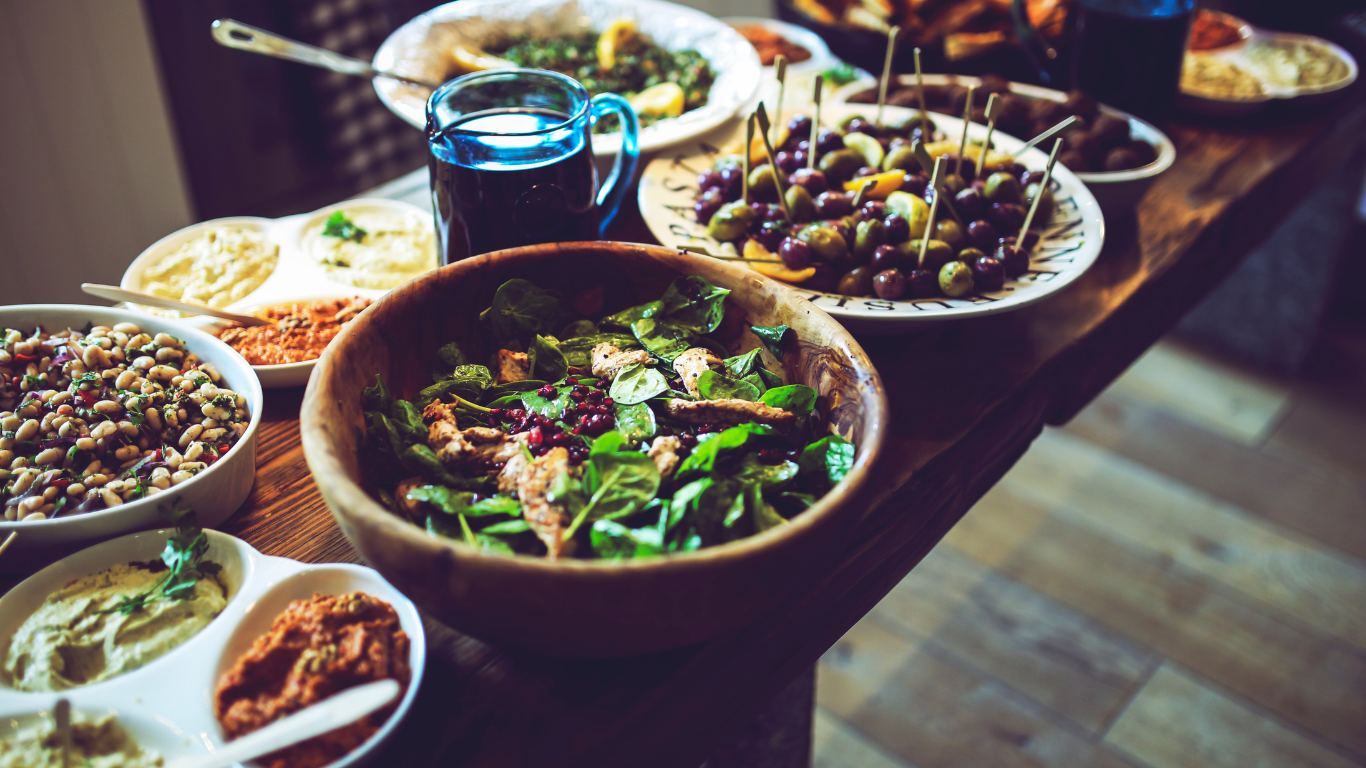
Add white beans to tuna salad, swap some of the beef in your taco filling for black beans, or crisp up tofu for a stir-fry. If beans tend to make you feel bloated, start with a small spoonful of canned beans that you’ve drained and rinsed.
A study that followed more than 18,000 women found that those who ate 50g more plant protein in place of some animal protein daily were:
Full Fat Dairy
For you, full fat dairy is shown to be beneficial for hormone health. Avoid added sugar dairy like ice cream, but cream and yogurt can be above the 2% M.F that is commonly sold in grocery stores.
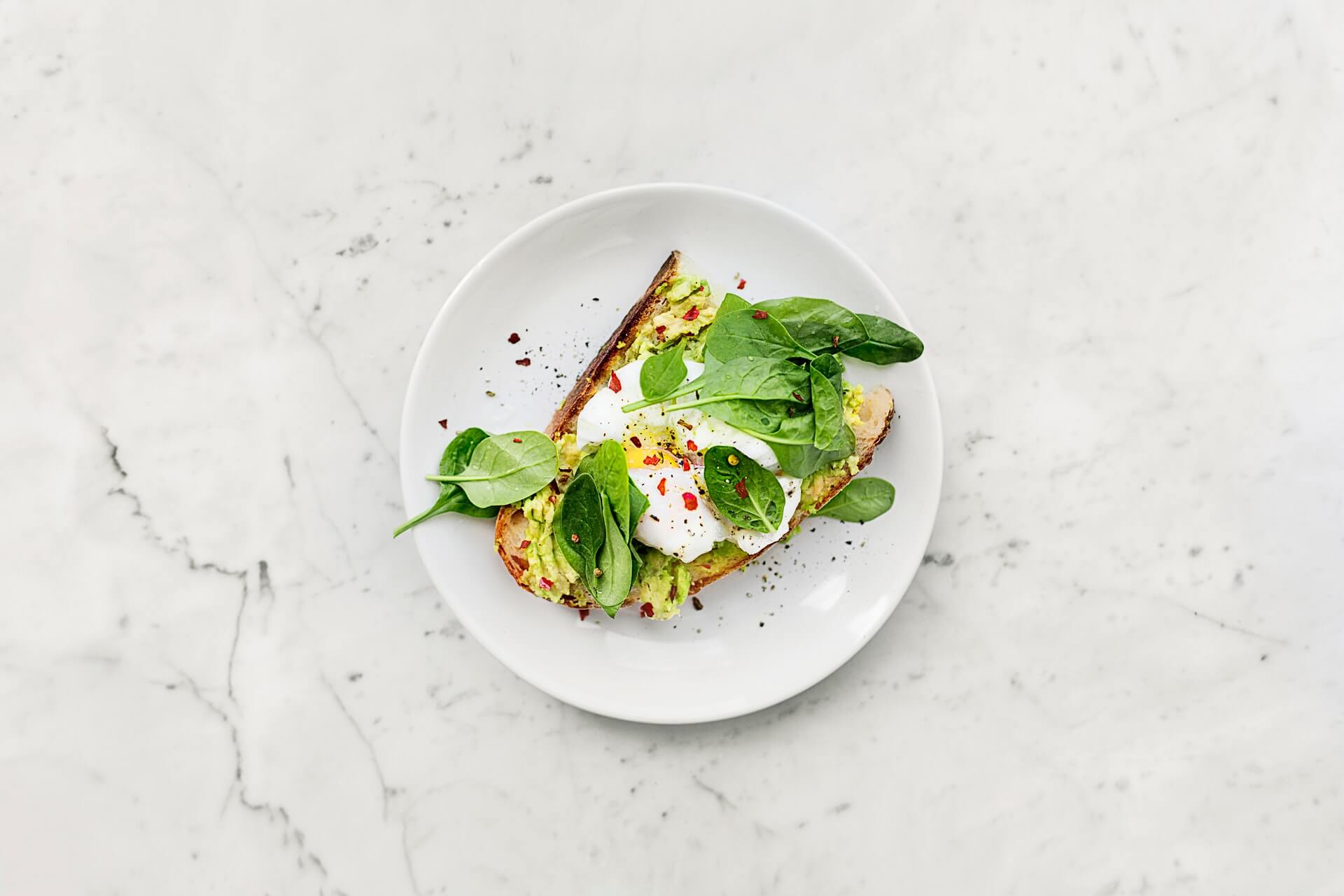
Breakfast. 4% Greek yogurt with oats, berries and chopped walnuts.
Lunch. Lentil tomato soup with toast and a cucumber salad.
Snack if hungry. Apple slices with peanut butter.
Dinner. Chicken and chickpea quinoa bowl with mixed vegetables
Still hungry? Have a little more. If mornings feel rushed, try a recipe from my PCOS protein shakes guide.
Take a walk after dinner, put on a song and dance, or try a short strength workout. Pick something that fits your week. Eating well and moving more can help your health even if your weight stays the same.
Modest weight loss of 5-10% has been shown to significantly increase your changes of success. . If you’d like to work on your weight, a dietitian can help you decide what fits your health and fertility goals. [1]
Vitamin D
Some studies found that more people ovulated after taking vitamin D. A meta-analysis of 20 randomized control studies (RCT) found that supplementation was associated with a higher ovulation rate and lower androgens and LH. It is also studied that Supplementation with calcium can improve ovarian morphology, give more regular cycles and raise ovulation rates. We also do know that deficiencies are associated with lower births.
Inositol
Inositol is sold as a supplement for PCOS. It may help with some blood sugar management in the body. it is known to support regulatory, ovular, ambulatory function, and reduce androgens. It can significantly decrease HOME IR and insulin levels.
Omega 3
Omega threes are poly unsaturated fatty acids that help to reduce inflammation and improve insulin sensitivity. It can help improve lipid profiles as well as Improve hydrogen symptoms and menstrual regularity.
If you’re trying to get pregnant and your periods are hard to predict or have stopped, reach out to your care team now. They can help find out why. If PCOS is the only known reason you’re having trouble getting pregnant and you rarely or never release an egg, your doctor may suggest letrozole. This medicine helps your ovaries release an egg. You can work on your meals while you get care. [1,8]
As a registered dietitian, I’ll review your bloodwork and help you tackle what’s getting in the way, from cravings to busy weeks. At follow-ups, we’ll check your progress, track weight loss if that’s your goal, and adjust your plan so you know what to work on next.
Book a free discovery call with Teresa to talk about your goals and how I can help.
This article provides general education. Discuss individual nutrition, supplement and treatment decisions with your healthcare team.
References