
Fertility diet advice often arrives as a jumble of rules: eat pineapple, avoid gluten, cut dairy, stop drinking coffee, add more protein and take a long list of supplements. Yet the strongest research is not built around one magical food. It looks at overall dietary patterns, and those patterns were not all studied for the same fertility goal.
Understanding that difference can make nutrition feel far less confusing. Instead of trying to follow every piece of fertility advice at once, you can focus on the pattern that best matches your stage and needs.
For most people who are beginning to try, a Mediterranean-style diet is an excellent foundation. It is flexible, enjoyable and centred on foods that support general reproductive health and a healthy pregnancy.
The pattern includes plenty of vegetables and fruit, whole grains, beans and lentils, fish and seafood, nuts and seeds, olive oil, eggs and other minimally processed foods. It naturally provides fibre, antioxidants, healthy fats and a wide range of vitamins and minerals.
It also leaves room for real life. You do not need to eliminate carbohydrates, gluten, dairy or every enjoyable food simply because you are trying to conceive.
Best fit: a strong starting point for most individuals and couples, particularly during the early preconception months.
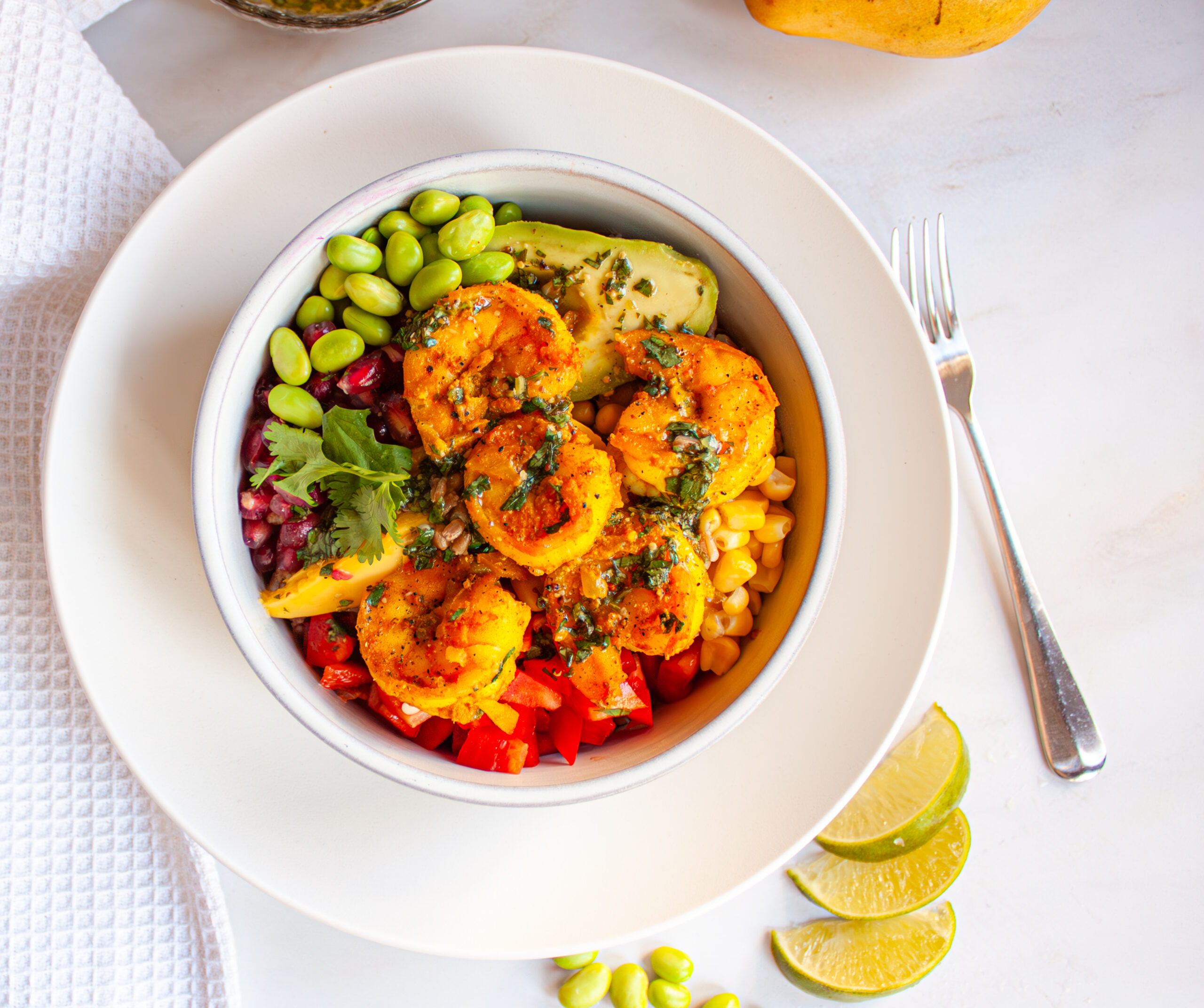
The original Fertility Diet came from research examining ovulatory infertility. It may therefore be especially relevant when irregular cycles or difficulty ovulating are part of the picture, although nutrition does not replace assessment or treatment of the underlying cause.
This approach emphasizes unsaturated fats, plant proteins, iron-rich plant foods and slower-digesting carbohydrates such as whole grains. It also includes a daily multivitamin and does not treat carbohydrates as the enemy.
That context matters. The Fertility Diet iss associated with a lower risk of ovulatory infertility.
Best fit: those trying naturally when ovulation or cycle regularity is a central concern.
Male fertility should be included from the beginning, not added only after months or years of trying. The evidence for Mediterranean-style eating is particularly encouraging for sperm measures such as count, movement and shape. Personally, I have found strong improvements in overall sperm health with improved numbers across the board, when males follow this eating pattern.
That means eating fish and seafood, vegetables and fruit, whole grains, nuts, seeds, eggs, poultry, legumes and other minimally processed proteins most often. It also means reducing processed meats, sugary drinks, trans fats, excessive alcohol and cannabis use. Luckily, this pattern aligns with most female recommendations as well.
So, this means a couple does not need two separate meal plans. The core meals can be shared, while portions, nutrient priorities and supplements are tailored to each partner.
Best fit: From beginning to lengthy journey’s – males can always benefit with this style of eating.
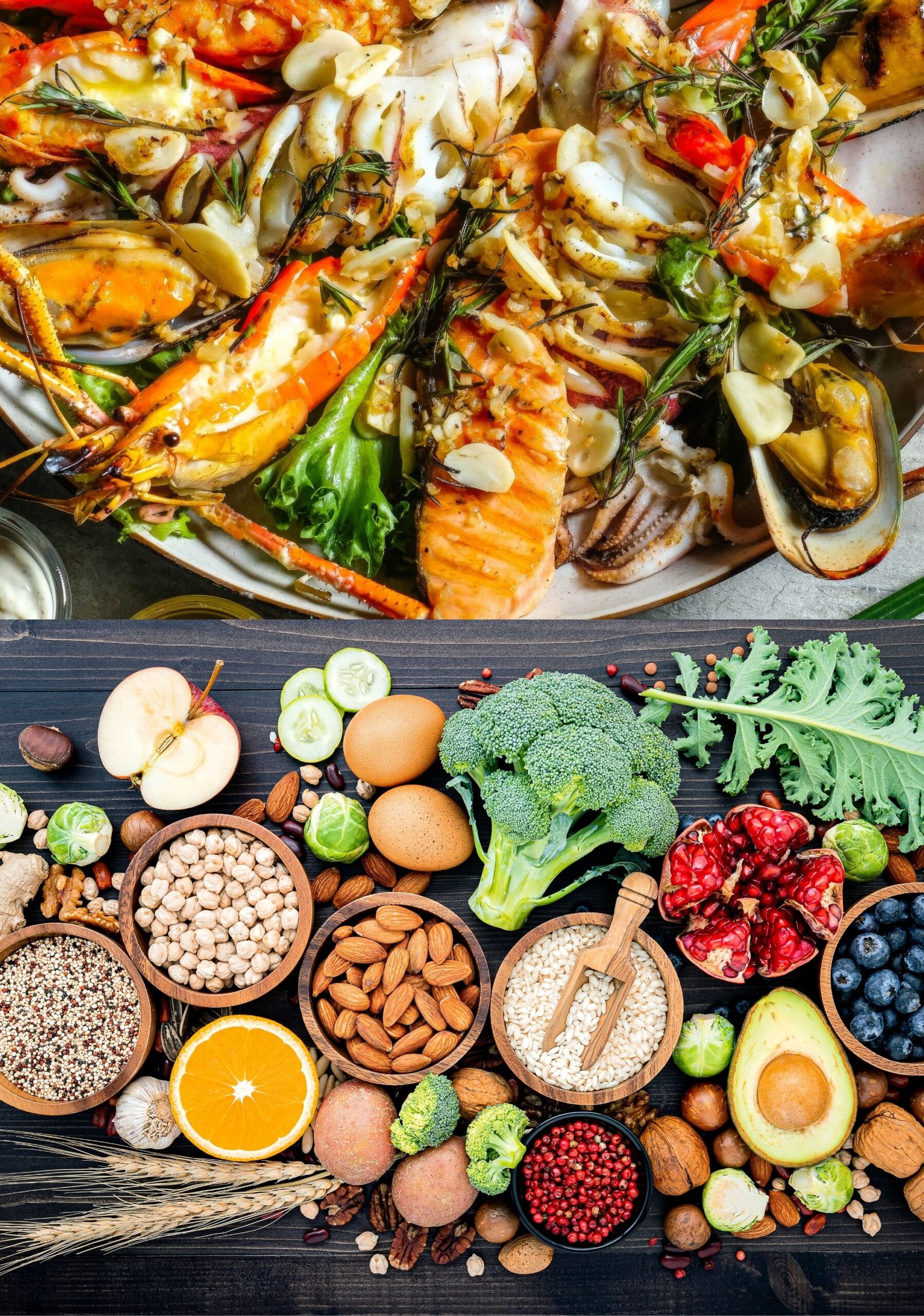
The Pro-Fertility Diet deserves special attention during assisted reproduction because it was developed around dietary factors associated with ART outcomes. It shares many Mediterranean foundations but places greater emphasis on specific foods and nutrients.
The pattern includes whole grains, seafood, soy foods, dairy and lower-pesticide fruits and vegetables. It also considers supplemental folic acid, vitamin B12 and vitamin D. In research involving women undergoing fertility treatment, greater adherence was associated with better implantation, clinical pregnancy and live-birth outcomes.
This does not mean that soy, a particular vegetable or one supplement causes implantation. The benefit appears to come from the overall pattern before treatment, not a last-minute food added after embryo transfer.
Best fit: women preparing for IUI, IVF or another form of assisted reproduction.
PCOS, endometriosis, diminished ovarian reserve, recurrent pregnancy loss, digestive symptoms and repeated treatment failures can all change the nutrition priorities. The foundation may still be Mediterranean or Pro-Fertility, but a generic version may not address what is actually getting in the way.
One person may need support with insulin sensitivity and carbohydrate balance. Another may need to correct low iron, vitamin D or vitamin B12. Someone preparing for egg retrieval may need a plan that improves protein and omega-3 intake without making meals restrictive or overwhelming.
This is where personalization matters most. The diagnosis, food intake, bloodwork, supplements, symptoms, partner’s health and treatment timeline all need to be considered together.
The best fertility diet is not the strictest one. It is the pattern that matches your journey, fills your genuine nutrition gaps and can be followed consistently during the months that matter.
Learn how food can support egg development, sperm production and implantation by setting up a discovery call today.
By Teresa Maiorano, Registered Dietitian and Founder of Live & Love Nutrition